
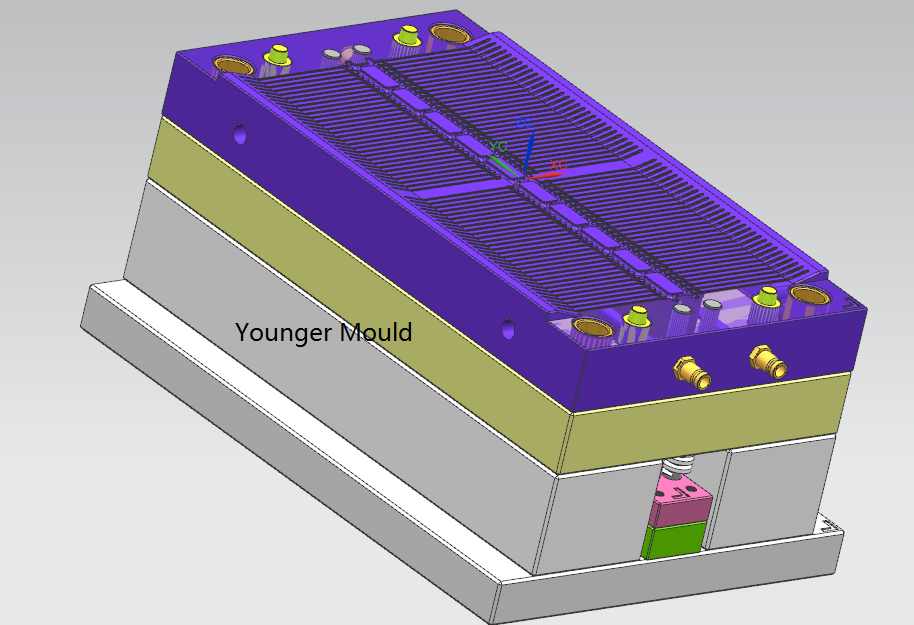
Nylon cable tie is a very convenient fastening material widely used in various fields. However, to ensure its fastening effect and safety, the following points need to be noted when using nylon cable ties:
First, it is important to ensure that the type of cable tie matches the size and strength of the required fastening. Different types of cable ties are suitable for different fastening tasks. Therefore, determine the appropriate type of cable ties according to the size, material, and force of the object to be fastened.
Secondly, it is also very necessary to clean the required tightening position. Before using the cable tie, ensure that the surface of the necessary fastening position is clean, dry, and free of foreign objects such as grease, to ensure that the cable tie can be firmly fixed on the target.
Third, according to actual needs, the cable tie can be pre-stretched before use. This can help the cable tie better adapt to the shape and size of the fastening object so that its fastening effect is better.
Fourth, in harsh environments, durable engineering material cable ties should be used. For example, in high temperature, high humidity, and corrosive environments, high temperature, moisture, and corrosion-resistant cable ties should be selected to ensure the safety and service life of the fasteners.
Fifth, do not use cable ties for load-bearing or safety-critical fastening tasks. Because nylon cable ties may not meet the relevant standards, they cannot be used on these occasions to avoid safety accidents.
Sixth, in the use of the process, rabbits will be exposed to high temperature, sunlight, ozone, or radiation, so as not to damage their physical properties, and affect the use of the effect.
Finally, when storing, excessive bending or folding should be avoided. This prevents permanent plastic deformation of the cable ties and affects their service life.
In short, the correct use of nylon cable ties requires attention to several aspects. Only reasonable selection and use of cable ties, give full play to its advantages, to ensure the fastening effect and safety.
First, it is important to ensure that the type of cable tie matches the size and strength of the required fastening. Different types of cable ties are suitable for different fastening tasks. Therefore, determine the appropriate type of cable ties according to the size, material, and force of the object to be fastened.
Secondly, it is also very necessary to clean the required tightening position. Before using the cable tie, ensure that the surface of the necessary fastening position is clean, dry, and free of foreign objects such as grease, to ensure that the cable tie can be firmly fixed on the target.
Third, according to actual needs, the cable tie can be pre-stretched before use. This can help the cable tie better adapt to the shape and size of the fastening object so that its fastening effect is better.
Fourth, in harsh environments, durable engineering material cable ties should be used. For example, in high temperature, high humidity, and corrosive environments, high temperature, moisture, and corrosion-resistant cable ties should be selected to ensure the safety and service life of the fasteners.
Fifth, do not use cable ties for load-bearing or safety-critical fastening tasks. Because nylon cable ties may not meet the relevant standards, they cannot be used on these occasions to avoid safety accidents.
Sixth, in the use of the process, rabbits will be exposed to high temperature, sunlight, ozone, or radiation, so as not to damage their physical properties, and affect the use of the effect.
Finally, when storing, excessive bending or folding should be avoided. This prevents permanent plastic deformation of the cable ties and affects their service life.
In short, the correct use of nylon cable ties requires attention to several aspects. Only reasonable selection and use of cable ties, give full play to its advantages, to ensure the fastening effect and safety.