
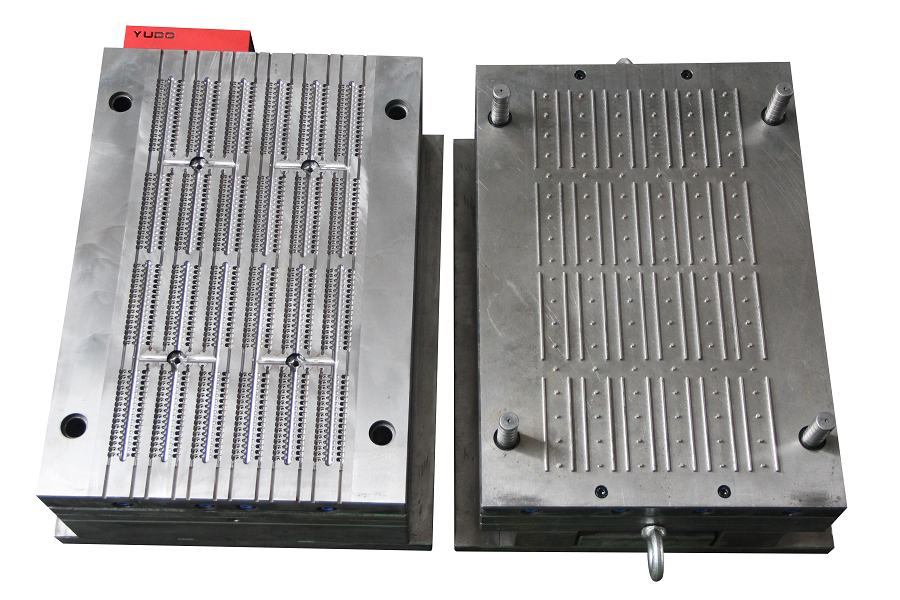
Introduction to Cable Clips:
Cable clips are small but essential components in electrical and electronic installations. They serve the crucial function of securing cables, wires, or cords in place, ensuring proper organization, management, and safety within various settings. Whether in residential, commercial, industrial, or entertainment environments, cable clips play a vital role in maintaining neat, efficient, and hazard-free cable arrangements.
Cable clips are small but essential components in electrical and electronic installations. They serve the crucial function of securing cables, wires, or cords in place, ensuring proper organization, management, and safety within various settings. Whether in residential, commercial, industrial, or entertainment environments, cable clips play a vital role in maintaining neat, efficient, and hazard-free cable arrangements.
Types of Cable Clips:
Cable clips come in a variety of types, each designed to meet specific needs and preferences. Some common types include:
Cable clips come in a variety of types, each designed to meet specific needs and preferences. Some common types include:
Adhesive Cable Clips: These feature adhesive backing for easy installation on smooth surfaces such as walls, desks, or cabinets. They are ideal for lightweight cables and temporary setups.
Nail-In Cable Clips: These clips have a nail or tack for securing them to surfaces such as wooden structures or drywalls. They offer a more permanent and secure mounting option, suitable for heavier cables and long-term installations.
Screw-In Cable Clips: Similar to nail-in clips but use screws instead of nails for attachment. They provide a stronger hold and are suitable for various surfaces, including wood, concrete, or metal.
Self-Adhesive Cable Clips: These clips combine the convenience of adhesive backing with the added stability of a built-in cable clamp. They offer a secure hold and are often used for managing cables in confined spaces or vertical applications.
Adjustable Cable Clips: Designed with adjustable straps or clamps, these clips accommodate cables of different sizes and shapes. They offer versatility and flexibility in cable management, allowing for easy customization according to specific requirements.
Flat Cable Clips: Specifically designed for flat or ribbon cables, these clips feature a flat profile and a secure clamping mechanism to hold the cables in place without damaging or deforming them.
Functions of Cable Clips:
Cable Organization: One of the primary functions of cable clips is to keep cables neatly organized and arranged, preventing them from tangling or becoming disorganized.
Cable Organization: One of the primary functions of cable clips is to keep cables neatly organized and arranged, preventing them from tangling or becoming disorganized.
Cable Protection: Cable clips help protect cables from damage by securing them in place and minimizing strain or tension on the cables, thereby extending their lifespan.
Safety: Proper cable management with cable clips reduces the risk of tripping hazards caused by loose or dangling cables, promoting a safer environment, especially in high-traffic areas.
Electrical Efficiency: Well-organized cables result in better airflow and ventilation around electrical components, reducing the risk of overheating and improving overall system performance and reliability.
Aesthetics: Neatly arranged cables contribute to a cleaner and more professional appearance in homes, offices, or entertainment venues, enhancing the overall aesthetic appeal of the space.
Accessibility: Cable clips make it easier to identify, access, and trace specific cables when troubleshooting or performing maintenance tasks, saving time and effort.
Importance of Cable Clips:
Efficient Space Utilization: By keeping cables neatly organized and out of the way, cable clips help maximize available space and minimize clutter in various environments.
Efficient Space Utilization: By keeping cables neatly organized and out of the way, cable clips help maximize available space and minimize clutter in various environments.
Compliance with Regulations: Proper cable management, including the use of cable clips, ensures compliance with safety and building codes, reducing the risk of regulatory violations and associated penalties.
Enhanced Productivity: Well-organized cables facilitate easier equipment maintenance, upgrades, or reconfigurations, leading to improved productivity and operational efficiency.
Cost Savings: Effective cable management with cable clips helps prevent cable damage, reduce downtime, and prolong the lifespan of equipment and infrastructure, resulting in long-term cost savings.
Professional Image: A well-organized and aesthetically pleasing cable layout reflects positively on the professionalism and attention to detail of the individuals or organizations responsible for the installation.
Adaptability: Cable clips come in various sizes, styles, and mounting options, making them suitable for a wide range of applications and environments, from residential homes to industrial facilities.
Conclusion:
In summary, cable clips are indispensable components in cable management, offering numerous benefits such as organization, protection, safety, and aesthetics. Their versatility, functionality, and importance make them essential accessories in electrical and electronic installations across diverse settings. By investing in quality cable clips and implementing effective cable management practices, individuals and organizations can ensure efficient, safe, and visually appealing cable arrangements that enhance productivity, compliance, and overall satisfaction.
In summary, cable clips are indispensable components in cable management, offering numerous benefits such as organization, protection, safety, and aesthetics. Their versatility, functionality, and importance make them essential accessories in electrical and electronic installations across diverse settings. By investing in quality cable clips and implementing effective cable management practices, individuals and organizations can ensure efficient, safe, and visually appealing cable arrangements that enhance productivity, compliance, and overall satisfaction.