
The tensile strength of cable ties is influenced by several factors. Here are the key factors that can affect the tensile strength of cable ties:
1. Material
- Type of Plastic: Different types of plastics have varying strengths. Nylon 6/6 is commonly used for its balance of strength and flexibility.
- Additives: UV stabilizers, flame retardants, or other additives can impact the material properties and thus the tensile strength.
2. Design
- Width and Thickness: Wider and thicker cable ties generally have higher tensile strength.
- Tooth Design: The design and sharpness of the teeth that engage with the ratchet mechanism affect the holding strength.
- Head Design: The size and shape of the head can influence how well the tie locks and holds under tension.
3. Manufacturing Process
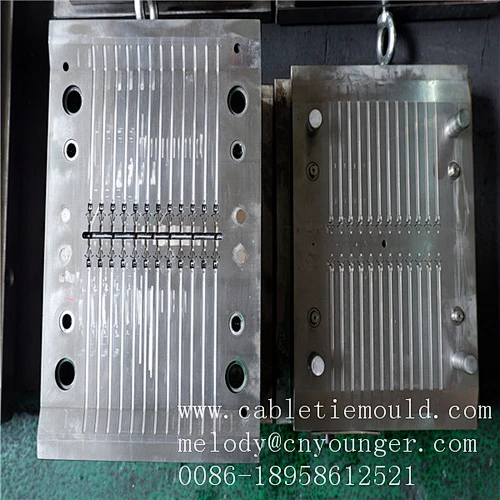
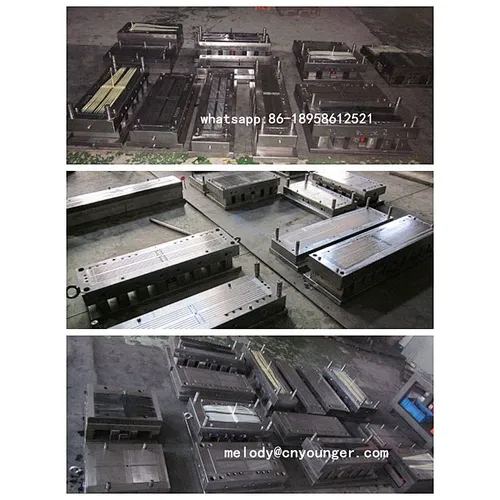
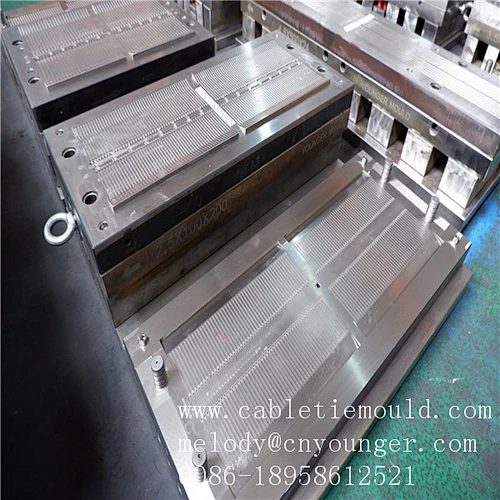
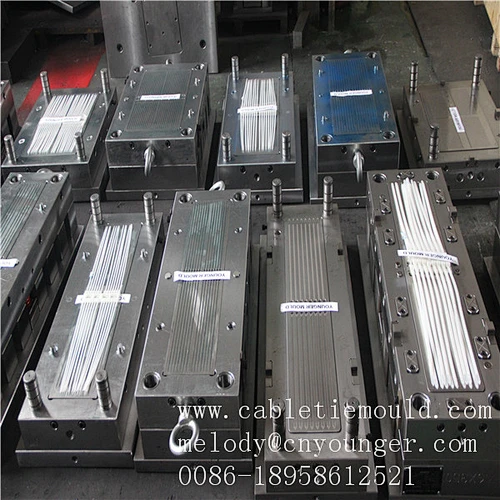
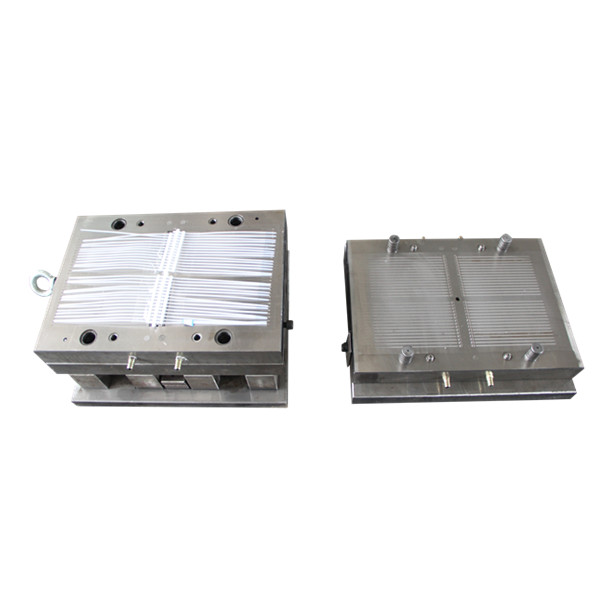
- Molding Quality: High-quality molding processes produce stronger, more reliable cable ties.
- Consistency: Variations in the manufacturing process can lead to inconsistencies in tensile strength.
4. Environmental Conditions
- Temperature: Extreme temperatures can weaken the material, reducing tensile strength. Nylon, for example, becomes brittle at low temperatures and loses strength at high temperatures.
- Humidity: Nylon absorbs moisture, which can change its properties and affect tensile strength.
- UV Exposure: Prolonged exposure to UV light can degrade the material, particularly in outdoor applications.
5. Age
- Storage Conditions: How and where cable ties are stored can impact their longevity and strength. Exposure to sunlight, heat, or moisture can degrade the material over time.
- Shelf Life: Over time, the material properties can change, leading to a reduction in tensile strength.
6. Installation Method
- Tightening Force: Over-tightening can cause premature stress and weaken the cable tie.
- Proper Use: Ensuring the tie is properly threaded and locked is crucial for maximizing tensile strength.
7. Load Characteristics
- Static vs. Dynamic Load: Static loads (constant load) and dynamic loads (varying load) affect the tensile strength differently. Repeated stress from dynamic loads can cause fatigue and failure.
- Load Distribution: Uneven distribution of load can concentrate stress in certain areas, leading to failure.
8. Size of Cable Tie
- Length: Longer ties may have different mechanical properties compared to shorter ones.
- Bundle Diameter: The size of the bundle being tied affects how the tie distributes stress and holds the load.
Understanding these factors can help in selecting the appropriate cable ties for specific applications and ensuring their reliable performance.