
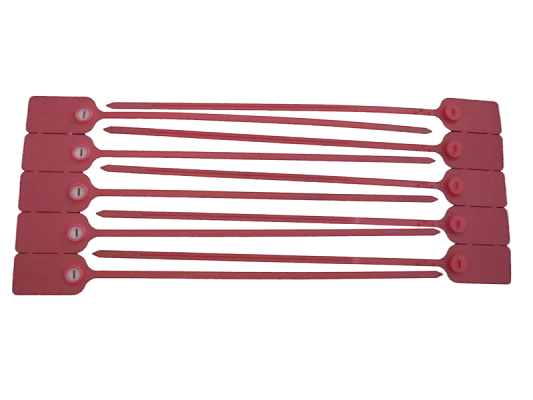
Security seals serve as distinctive tools for closing or securing items or containers. Typically made of plastic, metal, or paper, they bear markings, numbers, or other identifying information. The functions of security seals include:
1. Tamper Resistance: Security seals ensure that enclosed items remain untouched or unaltered during transportation or storage. Once a security seal is broken, it reveals interference, indicating potential tampering.
2. Security Verification: Security seals act as markers to verify the authenticity or integrity of items. In industries such as food, pharmaceuticals, and high-value goods transportation, security seals indicate whether items have been opened or altered without authorization.
3. Management Tracking: Security seals can track the movement and handling of items during transportation, storage, and delivery. Unique identifiers or other identifying information marked on security seals facilitate easy tracking of item flow and handling.
4. Confidentiality: In certain cases, security seals are used to protect sensitive information or maintain privacy. For instance, security seals on envelopes ensure that only designated recipients can access the contents.
1. Tamper Resistance: Security seals ensure that enclosed items remain untouched or unaltered during transportation or storage. Once a security seal is broken, it reveals interference, indicating potential tampering.
2. Security Verification: Security seals act as markers to verify the authenticity or integrity of items. In industries such as food, pharmaceuticals, and high-value goods transportation, security seals indicate whether items have been opened or altered without authorization.
3. Management Tracking: Security seals can track the movement and handling of items during transportation, storage, and delivery. Unique identifiers or other identifying information marked on security seals facilitate easy tracking of item flow and handling.
4. Confidentiality: In certain cases, security seals are used to protect sensitive information or maintain privacy. For instance, security seals on envelopes ensure that only designated recipients can access the contents.
5. Brand Promotion: Security seals can display a company's logo, slogan, or brand information, serving as a means of brand promotion and advertisement. When goods are transported or delivered, security seals become a part of the brand image.
6. Environmental Protection: Some security seals may be reusable or recyclable, helping to reduce the environmental impact of single-use plastics or other disposable materials. These security seals contribute to waste reduction and resource conservation through reuse or recycling.
7. Authorization Verification: In certain scenarios, security seals can confirm that an individual or organization has specific permissions or authorization to perform a particular operation. For instance, security seals on ballot boxes can prove that only authorized personnel can access the contents.
Overall, security seals play a crucial role in the safety, integrity, and management of items, and they are widely used across various industries and fields.
6. Environmental Protection: Some security seals may be reusable or recyclable, helping to reduce the environmental impact of single-use plastics or other disposable materials. These security seals contribute to waste reduction and resource conservation through reuse or recycling.
7. Authorization Verification: In certain scenarios, security seals can confirm that an individual or organization has specific permissions or authorization to perform a particular operation. For instance, security seals on ballot boxes can prove that only authorized personnel can access the contents.
Overall, security seals play a crucial role in the safety, integrity, and management of items, and they are widely used across various industries and fields.