
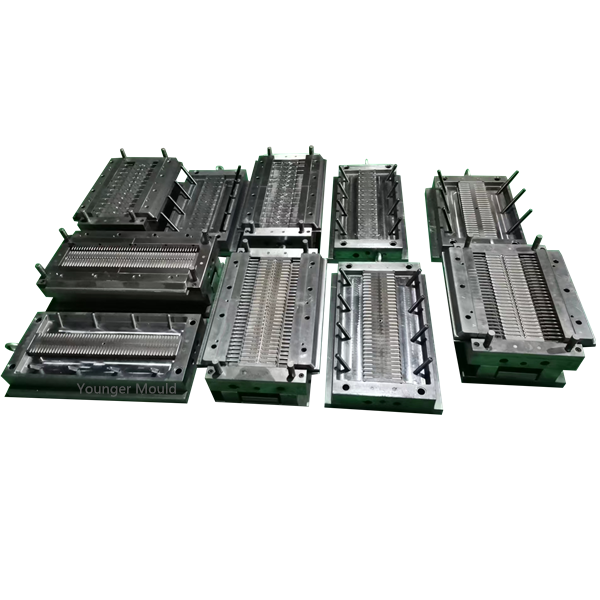
Wall plug, also known as anchor bolts or expansion anchors, are specialized threaded fasteners with unique characteristics and applications. Here are some key points about wall plug:
1. Structure and Working Principle:
Wall plug typically consist of two parts: the threaded body and the expansion segment. The expansion segment, usually located at the end of the threaded body, is designed to expand when installed, effectively clamping or securing objects.
The working principle of the wall plug involves inserting the expansion segment into a pre-drilled hole and then tightening the threaded body. As the threaded body is tightened, it pulls and stretches the expansion segment, causing it to expand and generate friction against the walls of the hole, thereby clamping or securing the object in place.
2. Applications:
Wall plug find wide applications in situations where it is necessary to anchor or fasten objects to a substrate surface, such as walls, floors, concrete, brick, etc.
Common applications include installing structural components, securing pipes and electrical fixtures, mounting machinery, etc.
Wall plug find wide applications in situations where it is necessary to anchor or fasten objects to a substrate surface, such as walls, floors, concrete, brick, etc.
Common applications include installing structural components, securing pipes and electrical fixtures, mounting machinery, etc.
3. Advantages:
Easy and quick to install, requiring no specialized equipment or skills.
Provide high levels of clamping force and reliability, capable of withstanding significant tensile and shear forces.
Suitable for various substrates and environmental conditions, including concrete, brick, wood, metal, etc.
Easy and quick to install, requiring no specialized equipment or skills.
Provide high levels of clamping force and reliability, capable of withstanding significant tensile and shear forces.
Suitable for various substrates and environmental conditions, including concrete, brick, wood, metal, etc.
4. Considerations:
When selecting wall plug, factors such as the type, thickness, and quality of the substrate should be considered to ensure proper anchoring and fastening.
During installation, it's important to ensure that the diameter and depth of the hole match the requirements of the wall plug and that the bolt can fully expand without obstruction.
When selecting wall plug, factors such as the type, thickness, and quality of the substrate should be considered to ensure proper anchoring and fastening.
During installation, it's important to ensure that the diameter and depth of the hole match the requirements of the wall plug and that the bolt can fully expand without obstruction.
In summary, wall plug offer a convenient, reliable, and efficient means of anchoring and fastening objects in a variety of construction, mechanical, and electrical applications.